On this page
Tissot pricing spans roughly $150 to $3,000 across the current lineup, with the brand averaging around $400 overall. Quartz basics like the Everytime and entry T-Classic pieces sit under $400. The PRX runs $375–$425 in quartz and roughly $650–$900 in Powermatic 80 automatic. Seastar divers span a similar automatic range, with the Seastar 2000 Professional pushing toward $900–$1,200. Gentleman and Le Locle sit in the $550–$750 dress-watch range, and Heritage anniversary and precious-metal pieces top the catalog, running from roughly $1,000 well past $5,000.
Tissot's pricing spans a wider range than most people assume walking into a boutique — a genuine gap separates a $180 quartz T-Classic from a rose gold Heritage chronograph pushing past $5,000, and the collection names alone don't always make clear which tier you're looking at. This is a line-by-line breakdown of what you should actually expect to pay, so you can tell whether a listing is a fair deal or a markup before you commit.
If you're specifically shopping the lower end of this range, our Best Tissot Watches Under $500 guide goes deeper into the four strongest picks under that ceiling.
Why the Range Is So Wide
Tissot sits deliberately across two different jobs at once — accessible daily-wear watches and genuine Swiss horological showcases — and the pricing reflects that split rather than any inconsistency in quality control. The brand's Powermatic 80 movement, with its silicon escapement components and roughly 80-hour power reserve, appears across nearly every price tier from mid-range automatics up through the premium Heritage line, which means movement quality alone doesn't explain most of the price gap between collections. What actually drives it is materials, complications, and case finishing — a steel Seastar and an 18-karat gold Heritage chronograph can share very similar internals while sitting thousands of dollars apart.
Entry Tier: Under $400
This is where Tissot's simplest quartz pieces live — the Everytime, and entry T-Classic models aimed at buyers who want genuine Swiss manufacturing without automatic-watch pricing. Expect clean dials, reliable quartz movements, and sapphire crystal on most references, without the finishing flourishes that show up further up the catalog. Our Best Tissot Watches Under $500 guide covers this tier's strongest picks in more detail, including the PRX Quartz, which straddles the top of this range.
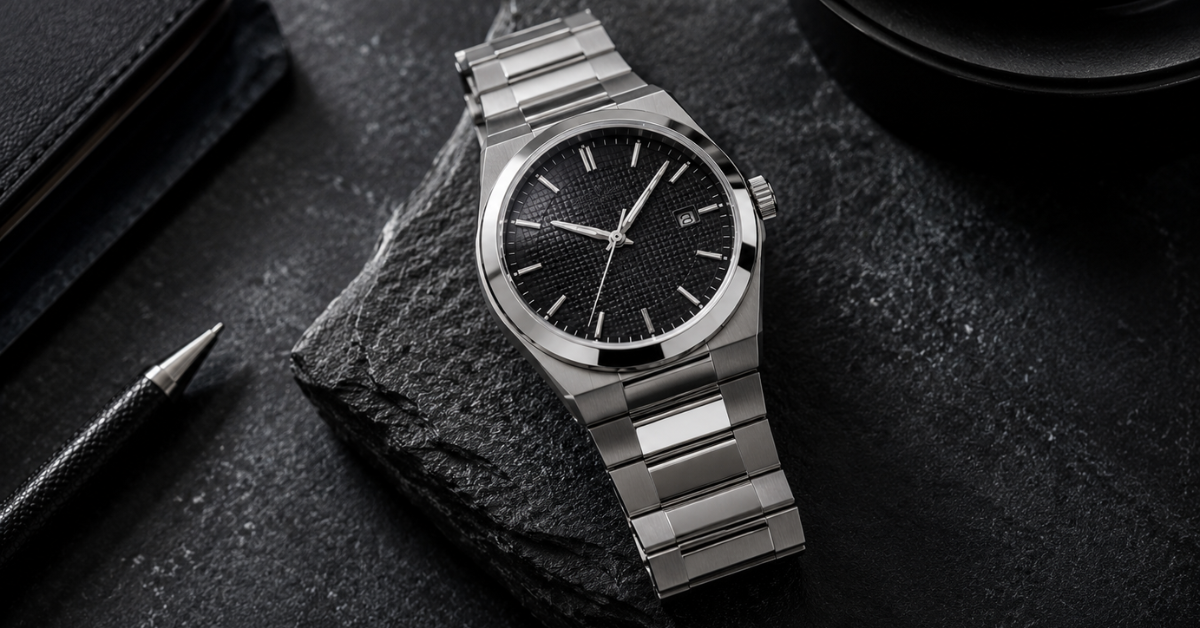
PRX: $375–$900 Depending on Movement
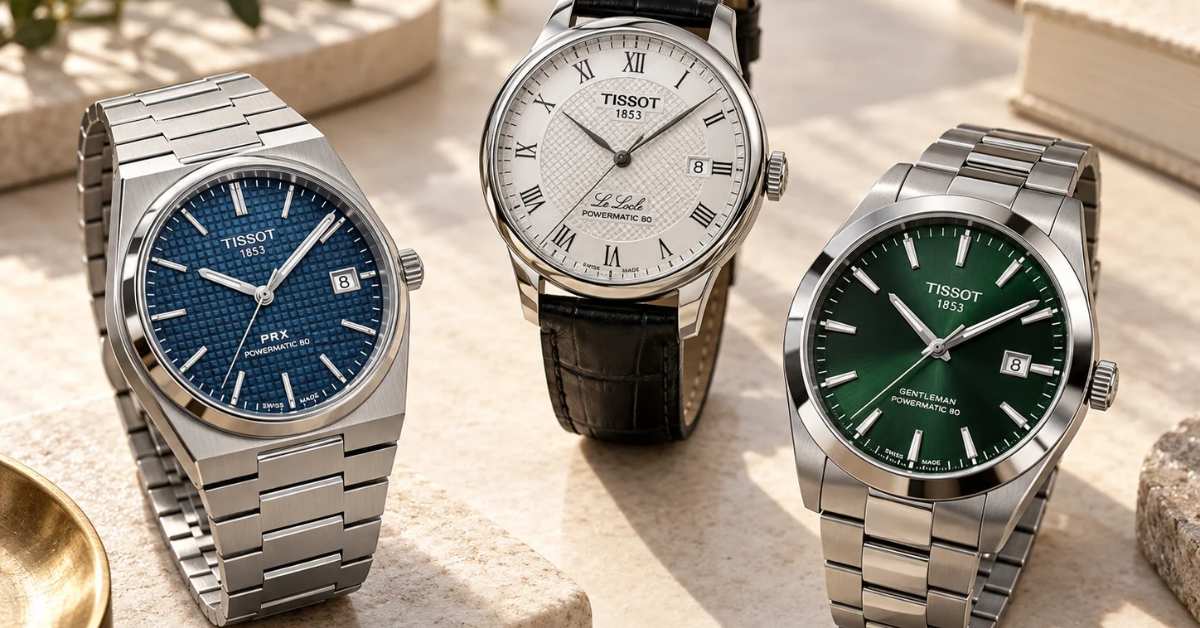
The PRX is Tissot's most talked-about line right now, and its pricing splits cleanly along movement lines. The quartz version, with its integrated 1970s-inspired steel bracelet, generally runs $375 to $425. Step up to the Powermatic 80 automatic version and pricing moves to roughly $650 to $900, depending on case size and dial configuration — a meaningful jump, but one that buys a genuine automatic movement with an 80-hour reserve rather than just a name change.
Seastar: $350–$1,200 Across the Diving Range
Tissot's dive-watch family scales similarly to the PRX. Quartz Seastar models generally sit in the $350 to $450 range, while Powermatic 80 automatic versions — including the Seastar 1000 — typically land between $650 and $900. The Seastar 2000 Professional, built for genuinely serious diving specifications, pushes toward the top of the family at roughly $900 to $1,200.
Gentleman and Le Locle: $550–$750
These two lines occupy Tissot's core dress-and-sport-crossover territory, both generally running Powermatic 80 automatic movements at similar pricing — roughly $550 to $750 depending on case material and dial finish. The Gentleman leans slightly more versatile for daily wear; Le Locle leans more traditionally formal, with a lineage tied to Tissot's own manufacturing town in Switzerland.
Worth knowing here: a Tissot Le Locle Chronometer won the Concours International de Chronométrie in 2012, an independent precision competition, beating entries from brands positioned considerably higher in the watch hierarchy, including F.P. Journe. That's a real, verifiable result from an outside judging body — not a brand claim — and it's part of why Le Locle in particular carries more horological credibility than its price tag might suggest.
Classic Dress Lines: $400–$700
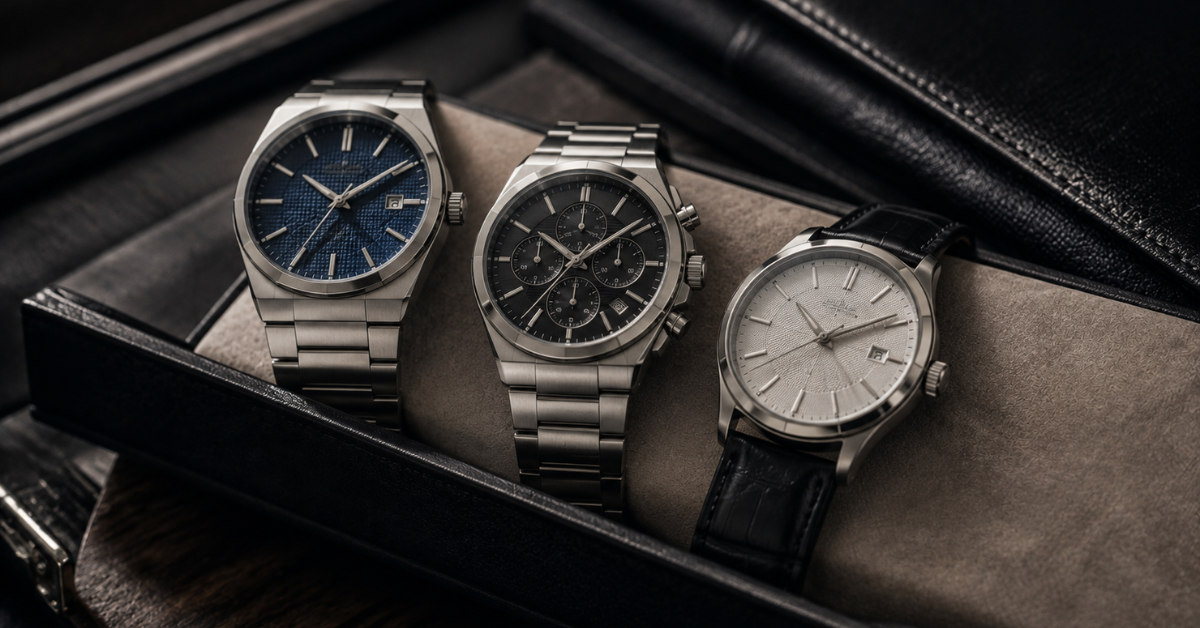
Ballade, Classic Dream, Chemin des Tourelles, PR 100, and PR 516 round out Tissot's mid-tier dress and casual-sport offerings, generally overlapping the $400 to $700 range depending on movement and materials. These collections don't carry the same name recognition as the PRX or Seastar, which can actually make them better relative value — you're paying for the watch rather than a wider marketing push behind it.
Heritage and Precious Metal: $1,000 and Up
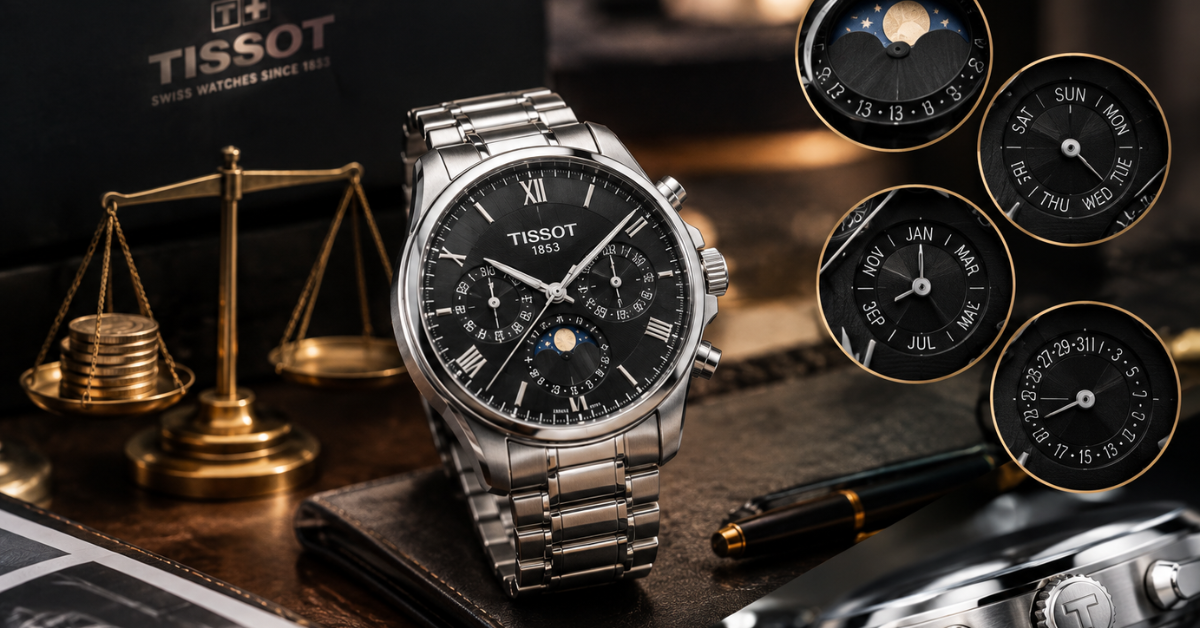
This is where Tissot's pricing genuinely opens up. The Heritage line, built around historical reissues and anniversary pieces, spans a wide range depending on materials and complications — steel chronograph references generally start above $1,000, while precious-metal pieces climb substantially higher. The Heritage Chronograph 150th Anniversary edition in 18-karat rose gold, for instance, trades well past $5,000, making it one of the most expensive watches Tissot currently offers.
If you're shopping in this tier specifically, expect the jump in price to buy genuinely different materials and finishing, not just a different dial layout on the same case.
What This Means When You're Shopping
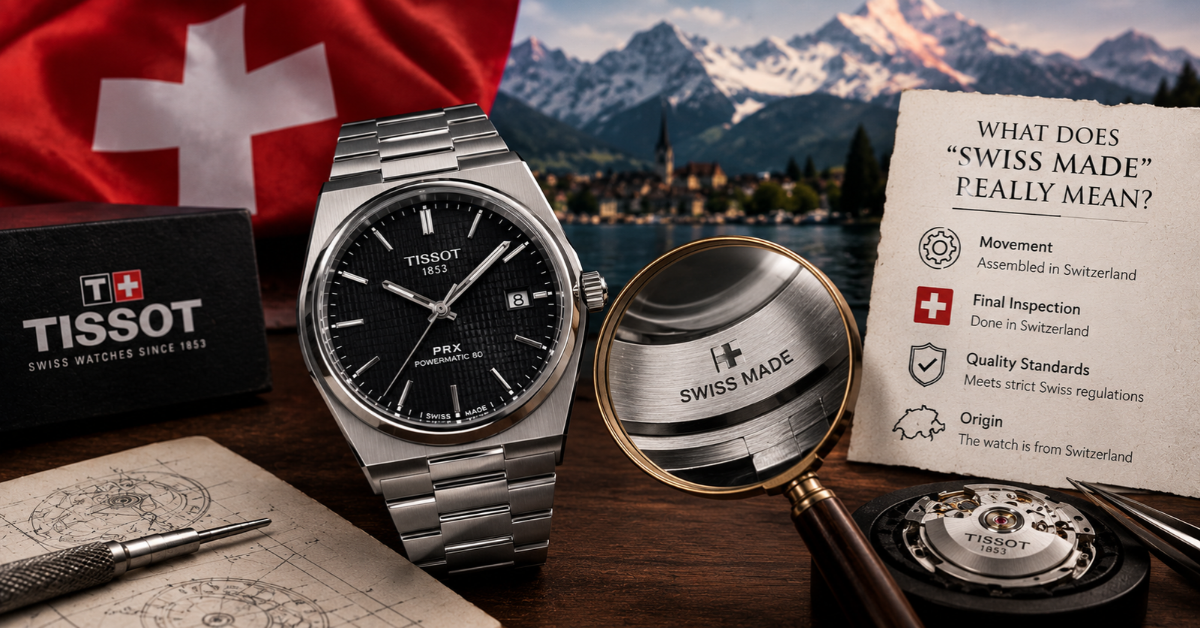
A quick gut check before buying: if a listing's price doesn't roughly match its tier here — a quartz PRX priced like a Powermatic 80, or a steel Seastar priced like a Heritage piece — that's worth a second look before you commit, whether the price seems too high or suspiciously low. A price well below a tier's typical range on a secondhand or marketplace listing is also one of the more reliable early signs worth investigating before you buy, alongside the physical checks. Our guide on authenticating Tissot against "Swiss Made" fakes covers what to check once price alone has you asking questions.
FAQ
What's the average price of a Tissot watch? Tissot averages around $400 across its current lineup, with individual models ranging from roughly $150 for entry quartz pieces to well over $5,000 for precious-metal Heritage editions.
Is the Tissot PRX Powermatic 80 worth the price jump over the quartz version? It depends on what you value — the Powermatic 80 adds a genuine automatic movement with an 80-hour power reserve for roughly double the quartz version's price, which is a fair trade if mechanical movement matters to you.
Why is the Tissot Le Locle considered a strong value despite its modest price? A Tissot Le Locle Chronometer won an independent precision competition in 2012, beating entries from significantly more expensive brands, which gives the line horological credibility beyond what its price tag suggests.
What's the most expensive Tissot collection? The Heritage line, particularly precious-metal anniversary pieces like the 150th Anniversary Chronograph in 18-karat rose gold, which trades well past $5,000.
Should I be suspicious of a Tissot priced far below its typical tier? Yes — a price significantly under what a given collection and movement type typically commands is one of the more reliable early warning signs worth investigating, particularly on marketplace or private-seller listings.
Conclusion
Tissot's pricing makes more sense once you separate it by movement and materials rather than just collection name — quartz and Powermatic 80 versions of the same line can sit hundreds of dollars apart, and Heritage precious-metal pieces occupy a different category entirely from the rest of the catalog. Knowing which tier a specific reference belongs in is the fastest way to tell a fair price from a markup, whether you're buying new or checking a secondhand listing.
Editor-in-Chief
Editorial Team
The TissotWatches.blog editorial desk — independent watch journalism, reviews and buying advice.