On this page
The Tissot Gentleman Powermatic 80 is a 40mm (also now 38mm) steel automatic with 100m water resistance, an 80-hour power reserve, and an exhibition caseback, generally retailing $775 to $850. It took a slow start after its 2019 launch before the all-steel Powermatic 80 Silicium version caught on, eventually earning an informal "Baby Rolex" nickname for its Oyster-style bracelet and polished bezel. Unlike the design-forward PRX, the Gentleman is built as a genuine all-rounder rather than a statement piece — worth the upgrade for buyers who want one watch that moves convincingly between office, weekend, and formal occasions.
The Tissot Gentleman didn't launch as a hit. It's worth knowing that before anything else, because the watch's current reputation as one of Tissot's strongest values took a real detour to get there — and understanding that path actually explains what the watch is good at today.
A Slow Start, Then the Real Version Arrived
Tissot introduced the first Gentleman reference in 2019, a two-tone piece with a solid rose-gold bezel, priced under $1,500. It delivered genuinely solid specs for the money, but the two-toned look and straightforward three-hand layout didn't generate much attention. Later that same year, Tissot expanded the line with an all-steel Powermatic 80 Silicium version at a significantly lower price — and that's the reference that actually took off, quietly building momentum for a collection that had launched to a fairly muted reception.
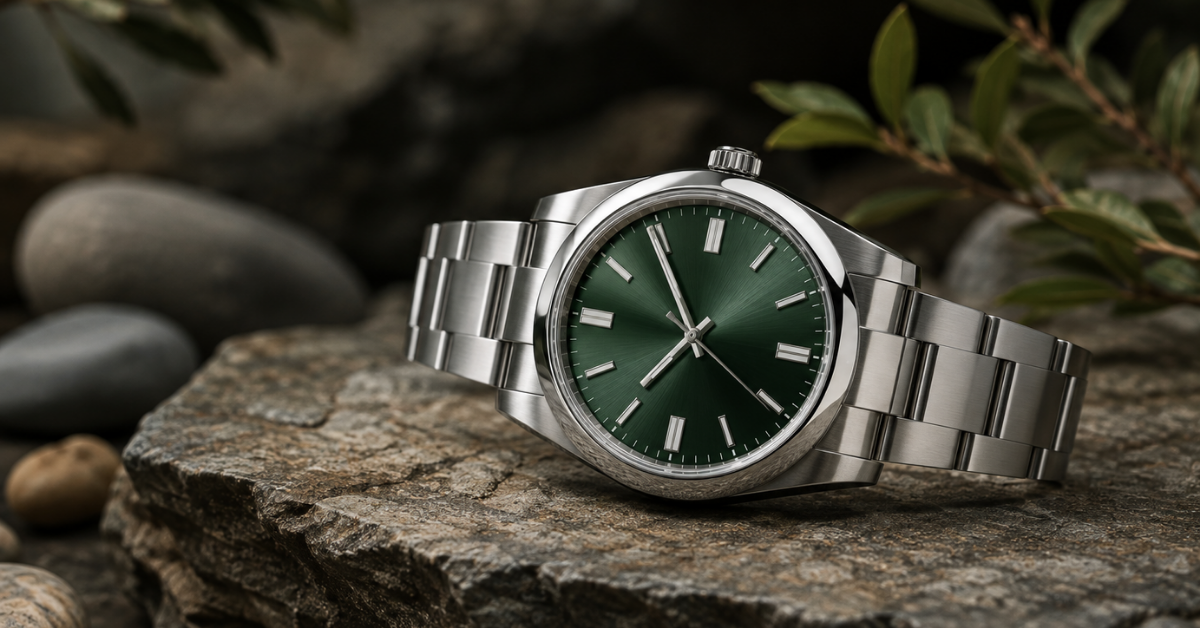
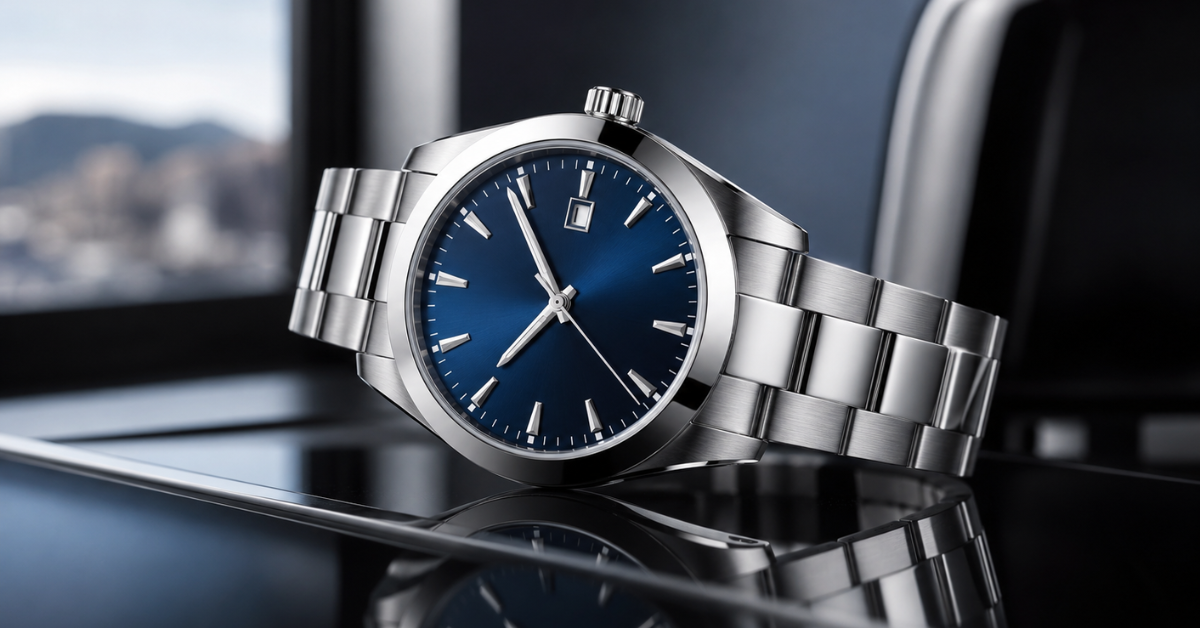
That all-steel Powermatic 80 version eventually picked up an informal nickname among enthusiasts: "Baby Rolex," a reference to its Oyster-style bracelet, polished bezel, and overall dial layout, which reads as genuinely reminiscent of a Rolex Oyster Perpetual at a fraction of the price. Worth being clear that this is an enthusiast nickname, not Tissot's own marketing — but it's a fair enough visual comparison that it's become the shorthand most reviewers reach for.
The Specs That Actually Matter
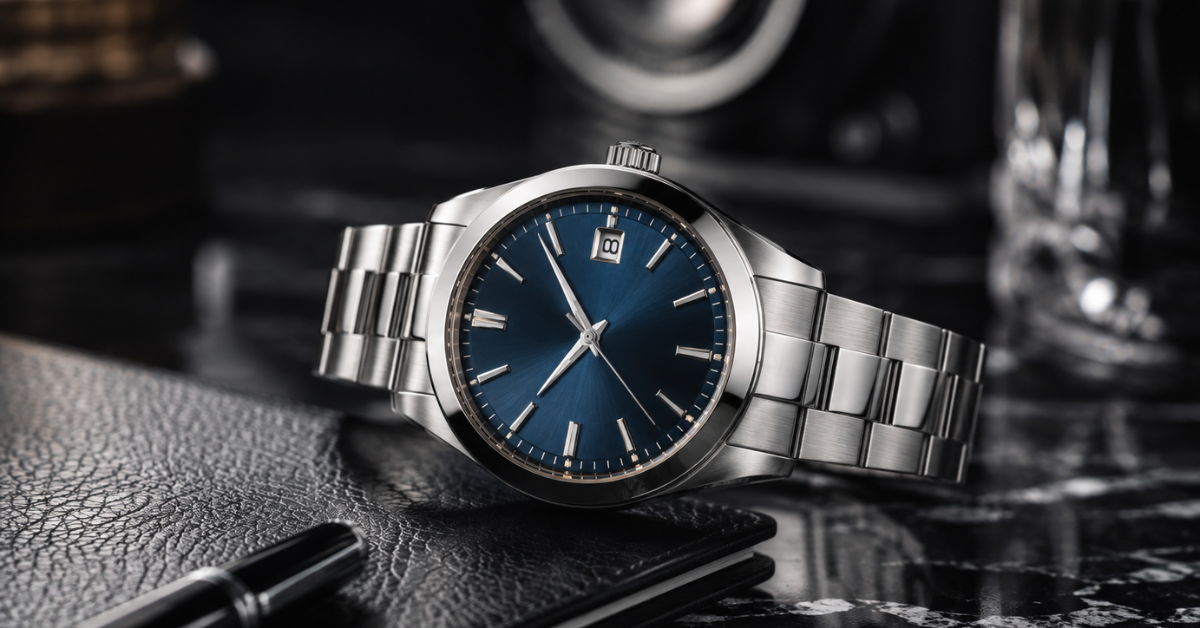
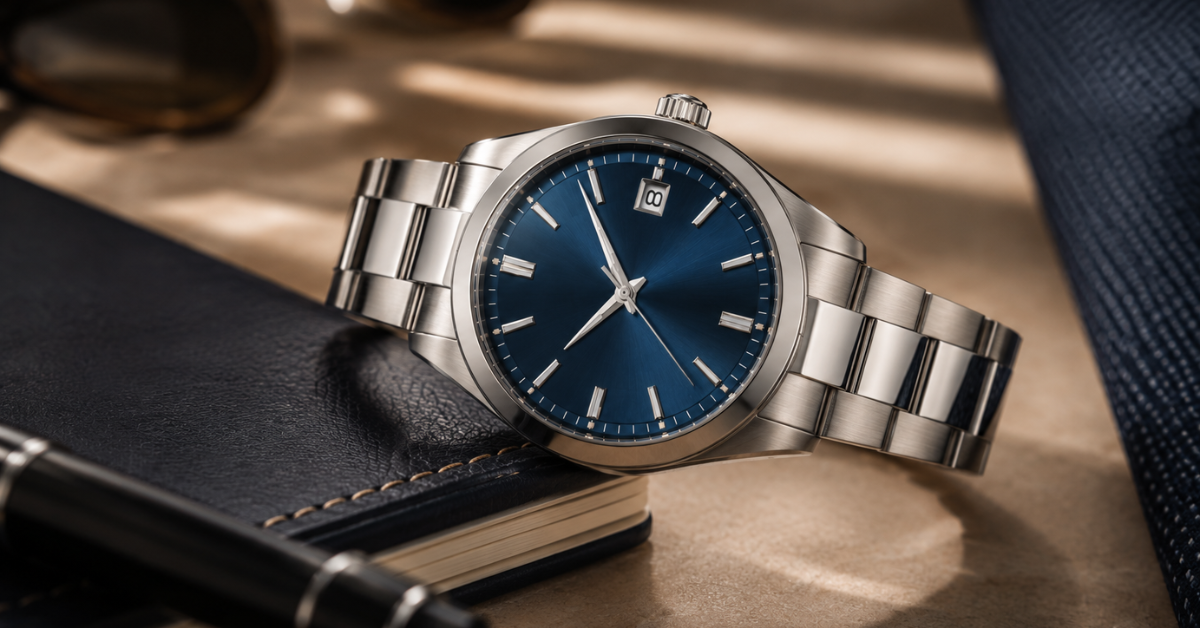
The core Gentleman runs a 40mm stainless steel case at roughly 11.5mm thick, built from 316L steel with a domed, anti-reflective sapphire crystal up top and an exhibition caseback showing off the movement below. Water resistance sits at 100 meters — genuinely useful for daily wear, well beyond what a typical dress watch offers. One honest fit note worth flagging: the case's listed 48mm lug-to-lug measurement wears a bit larger in practice, closer to 53mm on the wrist by some reviewers' accounts, due to how the fixed lugs sit — worth keeping in mind if you're on the fence about case size for a smaller wrist.
As of 2026, Tissot also offers a genuinely reworked 38mm version — not simply a scaled-down case, but reproportioned specifically to feel intentional at the smaller size, at 11.53mm thick with a 45.7mm lug-to-lug and the same exhibition caseback, starting around $850.
The Movement: Powermatic 80, With a Meaningful Upgrade Option
The Gentleman runs Tissot's Powermatic 80, delivering the same roughly 80-hour power reserve covered in more technical depth in our Tissot Movements Explained guide. The "Silicium" designation specifically refers to a silicon balance spring upgrade over the standard Nivachron hairspring — silicon offers genuine advantages in shock resistance and immunity to magnetic interference, a real engineering step up worth understanding if you're choosing between Gentleman variants rather than a marketing label. The specific caliber, based on the ETA C07.611, runs 25 jewels at 21,600 vibrations per hour.
Gentleman vs. PRX: The Real Choice Within Tissot's Own Lineup
This is the comparison that actually matters if you're deciding where to spend roughly $700 to $900 within Tissot's catalog, and it's worth being direct about the difference in intent. The PRX is a design statement — its integrated bracelet and cushion-shaped case channel a specific 1970s sport-luxury aesthetic that draws attention on its own terms. Our PRX vs PRX Powermatic 80 comparison covers that watch's design-forward identity in depth.
The Gentleman pursues the opposite goal: genuine, unshowy versatility. It's not trying to be recognized across a room the way the PRX is — it's built to move convincingly between an office, a weekend, and a formal dinner without asking any questions along the way. Buyers who've owned both watches consistently report reaching for the Gentleman more often specifically because of that versatility, even when they initially bought the PRX for its more distinctive design. Neither watch is the objectively "better" choice — it depends on whether you want a watch that makes a design statement or one that simply works everywhere.
Pricing
The core Gentleman Powermatic 80 generally retails $775 to $850 depending on dial color and bracelet versus leather strap configuration, with the original two-tone rose-gold-bezel reference sitting higher, up toward $1,500. Our Tissot Price Guide covers where the Gentleman sits relative to Tissot's broader catalog if you're comparing across collections rather than just within this one.
So, Is It Worth the Upgrade?
If you're stepping up from a quartz Tissot into genuine automatic engineering, yes — the 80-hour reserve, exhibition caseback, and 100m water resistance at this price point are difficult to match, silicon balance spring or standard Nivachron either way. If you're choosing between the Gentleman and the PRX specifically, the honest answer depends on what you actually want a watch to do: the PRX for a design statement, the Gentleman for a watch that quietly does more of the actual daily work. Given how consistently the Gentleman gets reported as the watch people reach for more often once they own both, it's earned its reputation as one of Tissot's strongest values, not just a well-marketed alternative.
Buying With Confidence
Given how recognizable the Gentleman's "Baby Rolex" aesthetic has become, buying from an authorized retailer removes any authentication guesswork. Our guide on authenticating a Tissot against "Swiss Made" fakes covers the checks worth running before any purchase, new or pre-owned.
FAQ
Why is the Tissot Gentleman called "Baby Rolex"? It's an informal enthusiast nickname referencing its Oyster-style bracelet, polished bezel, and dial layout, which resemble a Rolex Oyster Perpetual at a fraction of the price — not an official Tissot designation.
What's the difference between the standard Powermatic 80 and the Silicium version in the Gentleman? The Silicium version uses a silicon balance spring rather than the standard Nivachron hairspring, offering genuine improvements in shock resistance and magnetic immunity.
Is the Tissot Gentleman or PRX the better everyday watch? It depends on priorities — the PRX offers a more distinctive design statement, while the Gentleman is built for broader daily versatility across office, casual, and formal settings, and owners of both often report wearing the Gentleman more.
Does the Tissot Gentleman come in different case sizes? Yes — the original and most common size is 40mm, with a reworked 38mm version introduced in 2026 that was reproportioned rather than simply scaled down.
How much does the Tissot Gentleman Powermatic 80 cost? Generally $775 to $850 for the core steel automatic version, with the original two-tone rose-gold-bezel reference retailing higher, around $1,500.
Conclusion
The Gentleman's path to becoming one of Tissot's standout values wasn't instant — it took the right steel Powermatic 80 execution to actually click with buyers after a fairly quiet 2019 launch. What it delivers now is a genuinely versatile automatic that earns its "Baby Rolex" reputation honestly through fit and finish rather than just imitation, and for buyers who want one watch that works everywhere rather than a design statement, it's a legitimately strong upgrade within Tissot's own lineup.
Senior Writer
James Whitfield
Senior watch writer with a decade covering Swiss horology, vintage markets and modern releases.