On this page
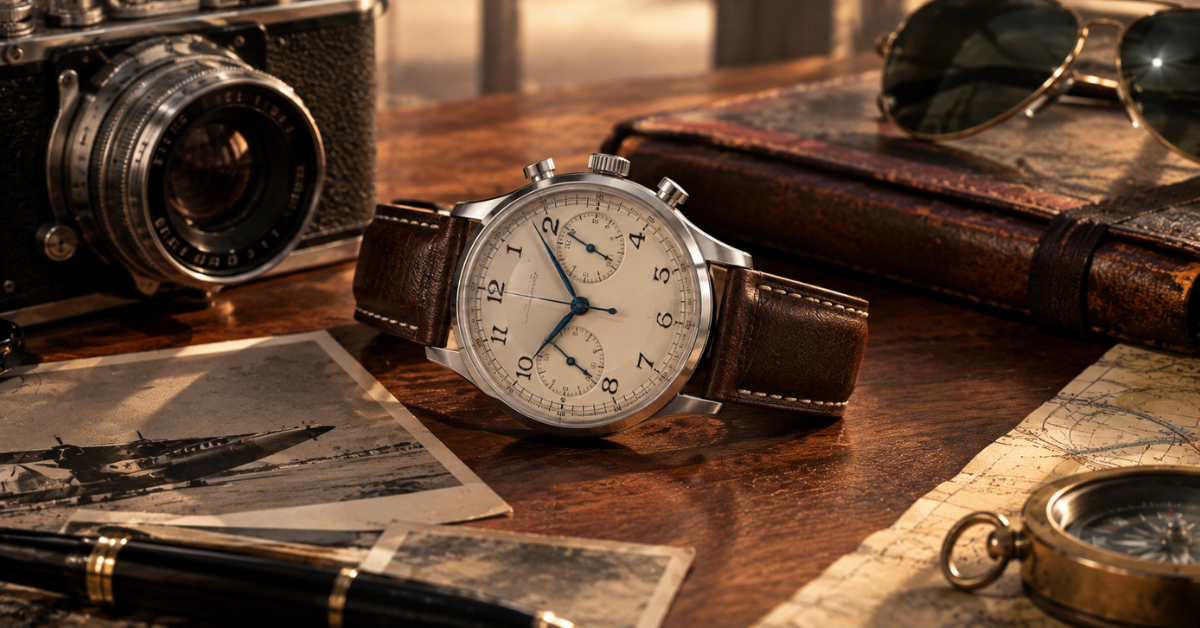
The Tissot Heritage 1938 is a vintage-inspired reissue built around a genuine small-seconds subdial, a vintage-correct 39mm case, and — unlike most of Tissot's current automatic lineup — COSC chronometer certification, an independently verified Swiss accuracy standard. It isn't a hyped, design-forward release the way the PRX is; there's no headline marketing push behind it. What it has instead is steady, observable resale demand across multiple international marketplaces, with listings regularly selling through and pre-owned examples holding a real, consistent secondary-market presence. Retail runs roughly $850 to $1,095, with the piece frequently available closer to $665 to $860 through authorized discount channels.
Not every watch worth paying attention to comes with a marketing campaign behind it. The Heritage 1938 doesn't get the design-world conversation the PRX generates, and it's never been positioned as Tissot's flagship anything. What it has is quieter and, in some ways, more convincing: consistent sell-through on the secondary market across multiple countries, real collector attention that shows up in listing activity rather than press coverage. That's worth understanding properly before dismissing it as just another Heritage-line entry.
What It Actually Is
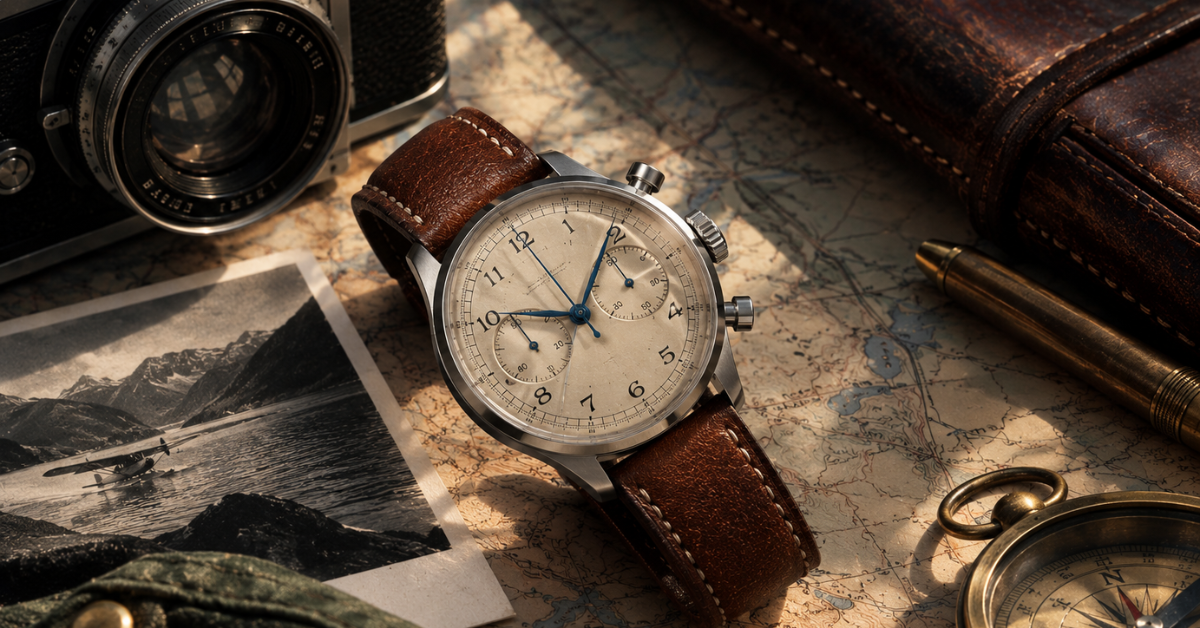
The Heritage 1938 revives design language from Tissot's late-1930s watchmaking — a genuine small-seconds subdial, rather than a sweeping central seconds hand, positioned in the vintage manner rather than as a modern styling choice. The case runs 39mm, a size that reads as distinctly vintage-correct next to the 42mm-and-up sizing that's dominated men's watches for much of the past two decades. That sizing choice alone tells you something about the intended buyer: this isn't built for someone chasing maximum wrist presence, it's built for someone who wants a genuinely period-appropriate silhouette.
Dial color variants extend across several options, with a salmon or pink dial reference standing out as a particularly distinctive pick — the kind of dial color that reads as a deliberate vintage choice rather than a trend-chasing one. A quick-release interchangeable strap system, a genuinely modern convenience feature, lets owners swap straps without tools, a practical addition that doesn't compromise the vintage design language around it.
The Detail Most Buyers Miss: COSC Certification
This is worth understanding properly, because it's the genuine substance behind the Heritage 1938's case for attention. Most of Tissot's current automatic lineup runs on Powermatic 80 or Swissmatic movements, both covered in detail in our Tissot Movements Explained guide — genuinely capable movements, but not individually chronometer-certified as a rule. The Heritage 1938 runs a COSC-certified movement, meaning each individual watch has been independently tested by the Contrôle Officiel Suisse des Chronomètres, the official Swiss chronometer testing body, to a defined accuracy standard over multiple days in varied positions and temperatures.
That's a genuinely different tier of verified precision than most of Tissot's catalog offers, and it's easy to miss entirely if you're comparing the Heritage 1938 against other Tissot references purely on price. At this price point, independently certified chronometer accuracy is a real, uncommon inclusion — most watches offering it cost considerably more.
Real Resale Activity, Not Manufactured Hype
Here's what actually supports the "quietly buying" framing, and it's worth being precise about what this claim rests on: observable, consistent sell-through across multiple secondary marketplaces and countries. Listings show repeated sold counts — figures in the dozens on individual listings — alongside genuine watcher interest and steady presence across German, US, and Scandinavian resale platforms simultaneously. That's a meaningfully different signal than a single hyped drop generating a spike in attention; it reads as sustained, ongoing demand from buyers who know specifically what they're looking for, rather than a watch riding a marketing wave.
Pre-owned examples in excellent condition regularly trade in the $675 to $775 range, a real but modest discount off retail that suggests steady demand rather than a watch nobody wants secondhand.
Pricing
Retail generally runs $850 to $1,095 depending on dial and configuration, though the Heritage 1938 is frequently available through authorized discount channels closer to $665 to $860 — a genuine 20%-plus reduction from list price that's worth watching for if you're not committed to paying full retail. Our Tissot Price Guide covers where the Heritage 1938 sits within Tissot's broader Heritage tier, which spans considerably higher for precious-metal and more complicated pieces.
Part of a Broader 1938 Family
The Heritage 1938 isn't a single standalone reference — it anchors a small related collection. A Telemeter 1938 chronograph variant also exists, adding a telemeter scale and chronograph function to the same vintage design language, priced meaningfully higher given the added complication. If the small-seconds dress watch appeals to you but you want chronograph functionality too, it's worth knowing that option exists within the same design family rather than assuming the Heritage 1938 is the only vintage-1938-styled piece Tissot currently offers.
Why It's Worth the Attention
The case for the Heritage 1938 comes down to a combination most watches at this price don't offer together: genuine vintage-correct proportions at 39mm, a real small-seconds complication rather than a styling gimmick, and individually verified COSC chronometer certification. None of that requires hype to justify — it's a specification sheet that holds up on its own merits, which may be exactly why the demand has stayed steady rather than spiking and fading. For broader context on Tissot's own manufacturing credibility behind claims like this, our piece on Tissot's Le Locle heritage covers what actually backs the brand's "Swiss Made" and precision claims more generally.
Buying With Confidence
Given the Heritage 1938's steady presence across multiple secondary markets, verifying authenticity matters before any pre-owned purchase. Our guide on authenticating a Tissot against "Swiss Made" fakes covers the checks worth running, and our Tissot Maintenance Guide covers what ongoing care a COSC-certified automatic like this one actually needs.
FAQ
What makes the Tissot Heritage 1938 different from Tissot's other automatic watches? It's individually COSC-certified, an independently verified Swiss chronometer standard most of Tissot's Powermatic 80 and Swissmatic lineup doesn't carry, combined with a genuine vintage-correct 39mm case and small-seconds subdial.
How much does the Tissot Heritage 1938 cost? Retail generally runs $850 to $1,095, though it's frequently available through authorized discount channels closer to $665 to $860.
Is there a chronograph version of the Heritage 1938? Yes — the related Telemeter 1938 adds a telemeter scale and chronograph function to the same design language, priced higher than the base small-seconds model.
Is the Tissot Heritage 1938 a good value compared to other COSC-certified watches? Yes — independently certified chronometer accuracy at this price point is genuinely uncommon, since most COSC-certified watches from other brands cost considerably more.
Does the Heritage 1938 hold its value well on the secondary market? It shows consistent, steady resale activity across multiple international marketplaces rather than dramatic appreciation, with pre-owned examples typically trading at a modest discount off retail.
Conclusion
The Heritage 1938 doesn't need a marketing campaign to make its case — a genuine small-seconds vintage design, correct period proportions, and individually verified COSC certification do that on their own. The steady, unglamorous resale activity across multiple markets is the real tell here: collectors who understand what COSC certification actually means keep buying this watch quietly, without needing anyone to tell them it's worth attention.
Senior Writer
James Whitfield
Senior watch writer with a decade covering Swiss horology, vintage markets and modern releases.