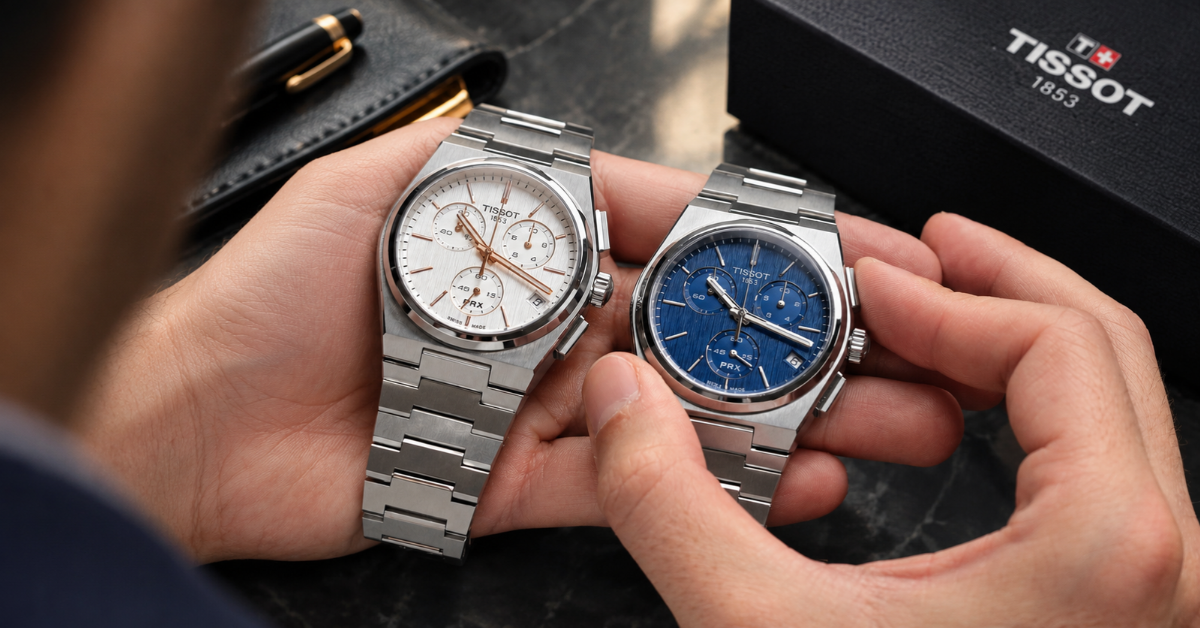
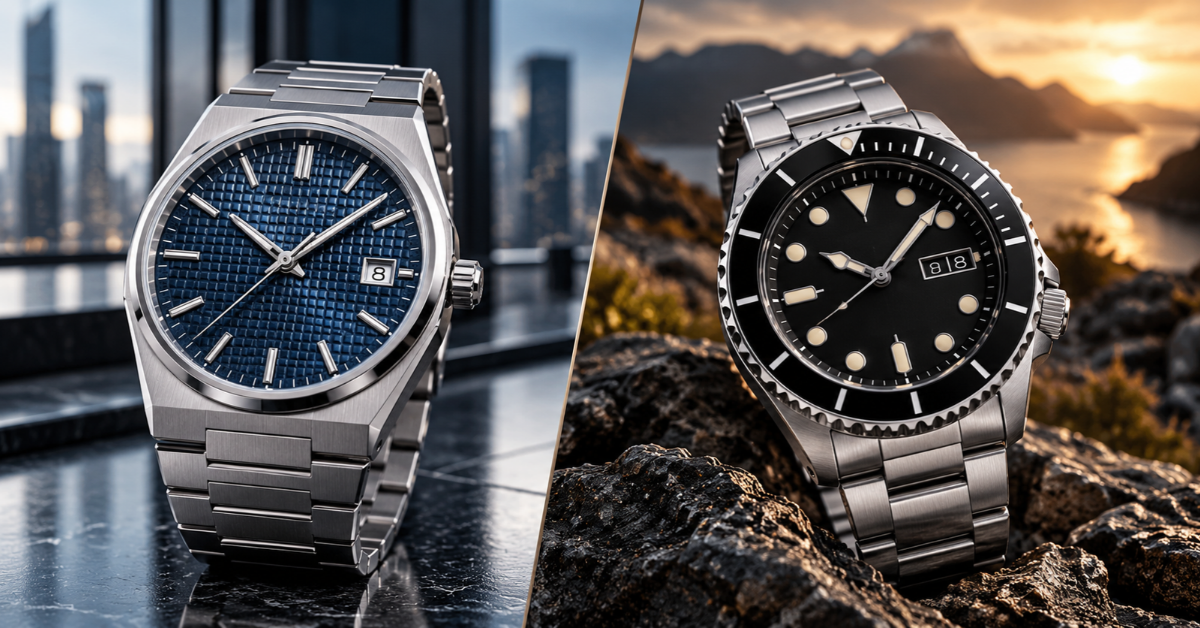
PRX Titanium vs Steel (1).png1.22 MBThe Tissot PRX Powermatic 80 Titanium is a 38mm, full-titanium PRX that weighs just 84g with its bracelet and costs $975. The steel PRX Powermatic 80 comes in 35mm and 40mm, costs less (around $850 for the 40mm) and has the brighter, polished-and-brushed look the PRX is famous for. Both use the same Powermatic 80 movement with an 80-hour power reserve and 100m water resistance. Choose titanium for lightness, comfort and a darker, modern look. Choose steel for the classic PRX shine, more size options and a lower price.
Same Icon, Two Very Different Feelings
The PRX is Tissot's runaway hit: a slim 1970s-inspired watch with an integrated bracelet that looks far more expensive than it is. For years, it came in steel. Then, in late 2025, Tissot added a 38mm model made almost entirely of titanium.
On paper, it's the same watch. On the wrist, it feels completely different. So which should you buy: the lightweight newcomer or the shiny original? This comparison covers weight, look, size, durability, price and who each one suits best.
This is the headline difference. With its bracelet, the titanium PRX weighs just 84g. Titanium is much lighter than steel, so even with a full metal bracelet, the watch feels far less substantial than a steel PRX.
In daily life, that matters more than you might expect:
All-day comfort: you'll notice it less on your wrist, especially during long days or travel.
Less wobble: a lighter watch moves around less on the wrist, so it feels more secure.
Great for active wear: walking, cycling or the gym are more comfortable with a lighter watch.
Some people prefer the reassuring heft of steel, though. If you like to feel a watch on your wrist, the steel PRX may feel more "solid" and premium to you.
Look and Finish: Bright vs Muted
Steel
The steel PRX's appeal is its play of light. Brushed surfaces contrast with polished edges, and the whole watch gleams. That shine is a big part of the PRX's 1970s glamour.
Titanium
Titanium has a darker, greyer, more matte tone. It looks more technical and modern, and it's more understated. Paired with the gradient waffle dials, the titanium PRX looks almost like a tool-watch take on the design.
Verdict: steel for shine and classic style; titanium for a quieter, more modern look.
Size: More Choice in Steel
The titanium PRX comes only in 38mm. The steel PRX Powermatic 80 comes in 35mm and 40mm.
38mm titanium: a sweet spot that suits many wrists, from about 6 to 7.5 inches. Many reviewers consider 38mm the ideal PRX size.
40mm steel: more presence, better for larger wrists.
35mm steel: the compact option for smaller wrists.
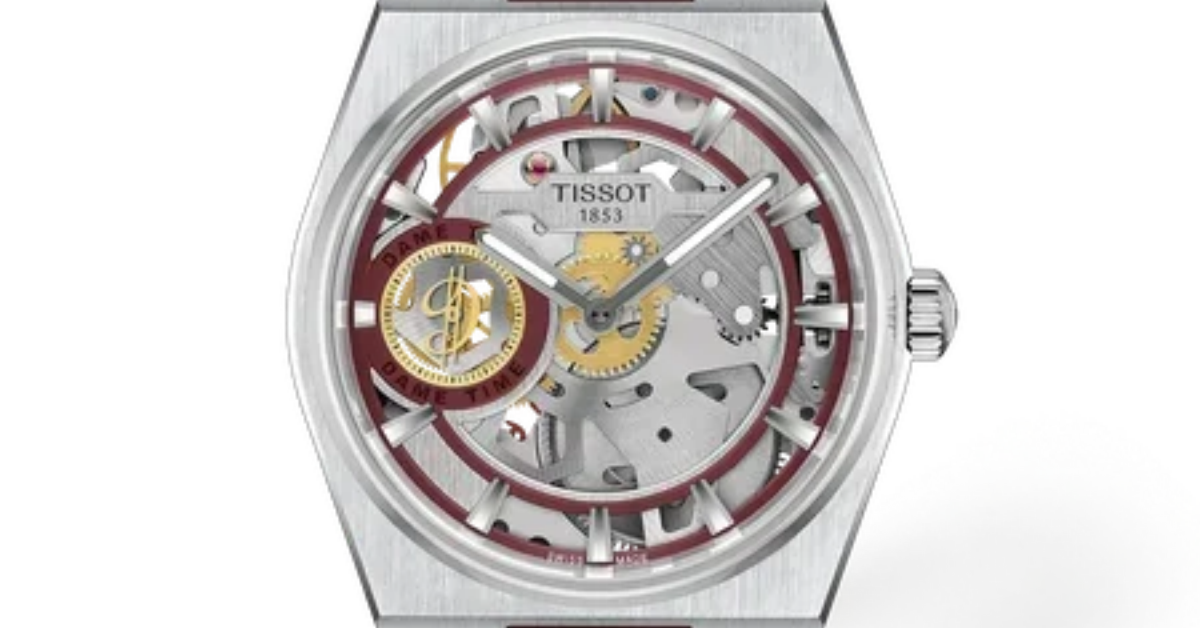
If 38mm is your ideal size, the titanium model is the only full-metal PRX automatic in that size, apart from the leather-strap Damascus edition. For a full rundown of every PRX version, see our complete Tissot PRX guide.
Hypoallergenic: a good choice if you have sensitive skin or nickel allergies.
Corrosion-resistant: excellent around sweat and salt water.
Scratches show differently: titanium's surface tends to mark more easily than steel, and the scratches can look more obvious on the matte finish. Many owners accept this as part of its character.
Harder to refinish: titanium is trickier to polish back to new than steel.
Steel
Tough and familiar: 316L steel handles daily wear well.
Easy to refinish: scratches can usually be polished out during a service.
Heavier: the trade-off for that sturdiness.
Both are rated to 100m, so either can handle swimming and everyday water exposure.
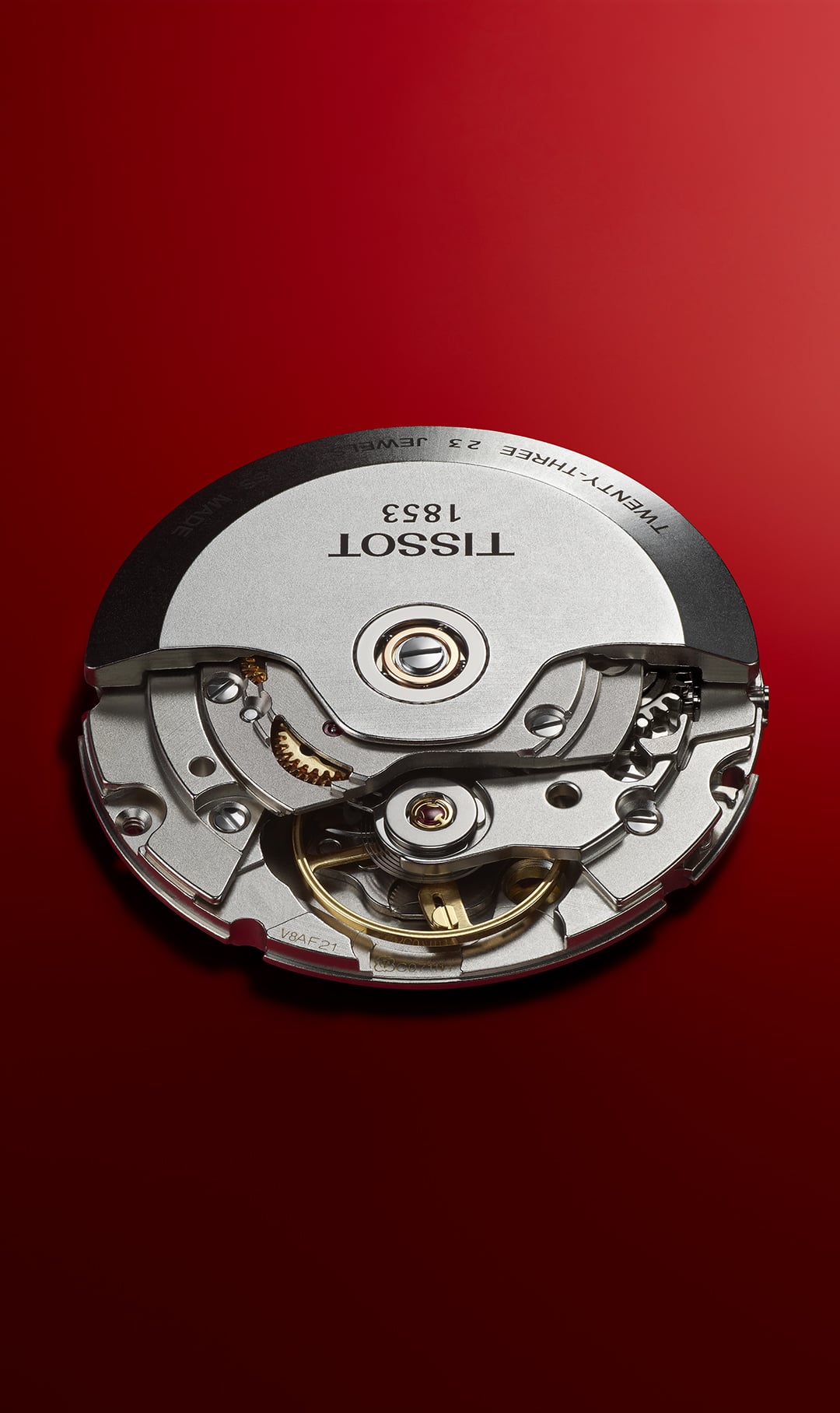
Both watches use the same Swiss Powermatic 80 automatic movement, with up to 80 hours of power reserve and an anti-magnetic Nivachron balance spring. Accuracy, power reserve and servicing are the same. For more detail, read Tissot movements explained, and for running costs, see how much a Tissot service costs.
Price: Is Titanium Worth the Extra?
PRX Titanium 38mm: $975 retail, often sold for around $830 to $880 by authorised and online retailers
PRX Steel 40mm: around $850 retail
In Europe, the gap is just €100 (€875 for titanium vs €775 for 40mm steel). For a full titanium case and bracelet, that's a small premium. Reviewers have generally called the titanium PRX a smart, fairly priced addition to the line-up.
You prefer a darker, more modern, understated look
You have sensitive skin or a nickel allergy
38mm is your ideal size
You'll wear it for travel, sport or long days
Buy the PRX Steel If...
You love the classic polished-and-brushed PRX shine
You want more size choices (35mm or 40mm)
You want more dial colours
You like the feel of a heavier watch
You want the lowest price
Our verdict: for most first-time PRX buyers, the steel version is still the classic choice. But if comfort matters to you, or you already own a steel PRX, the titanium model is one of the most interesting PRX variants Tissot has made.
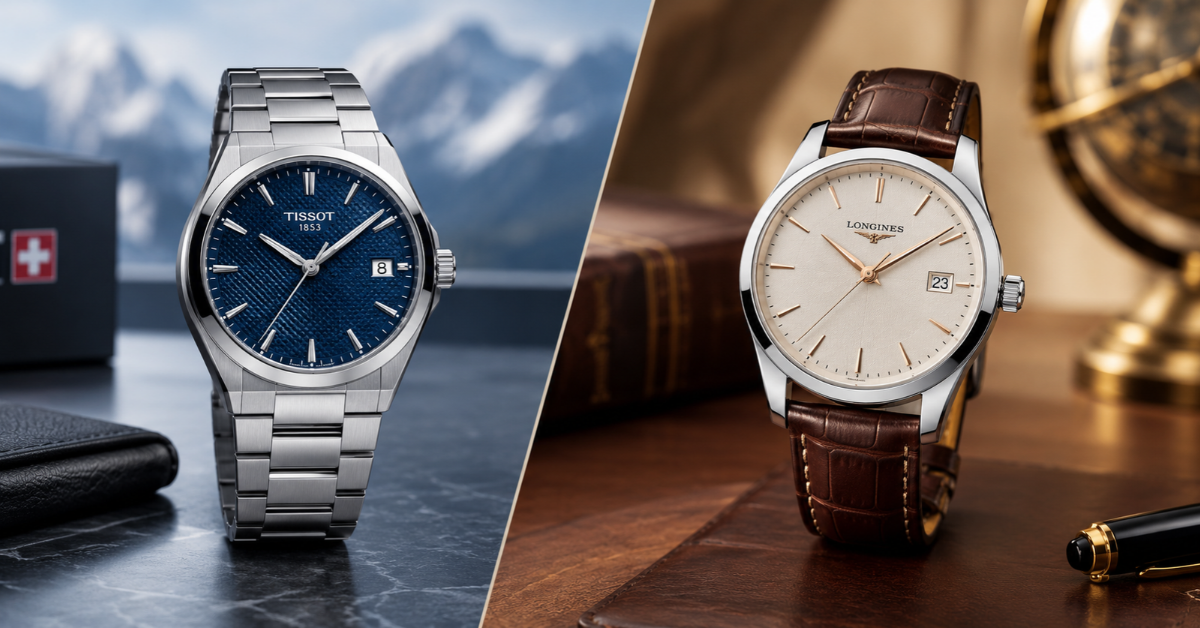
A step up: if you're considering spending more, read Tissot vs Longines.
Buying Tips
Buy from Tissot or an authorised retailer for the full 2-year warranty, and compare prices, since discounts are common. The PRX is one of the most faked affordable watches, so if you're buying second-hand, read 5 ways to verify a Tissot before buying from a private seller and 7 signs your Tissot might be a fake. A genuine titanium PRX should feel noticeably lighter than a steel one; a "titanium" watch that feels heavy is a red flag.
Frequently Asked Questions
What is the difference between the Tissot PRX titanium and steel?
The PRX Titanium is a 38mm model made of titanium, weighing just 84g with its bracelet, with a darker, more matte look. The steel PRX comes in 35mm and 40mm with a brighter polished-and-brushed finish. Both use the same Powermatic 80 movement and are water-resistant to 100m.
How much is the Tissot PRX Titanium?
The Tissot PRX Powermatic 80 Titanium 38mm costs $975 at US retail, and many retailers sell it for around $830 to $880.
How much does the Tissot PRX Titanium weigh?
The Tissot PRX Titanium weighs 84g including its titanium bracelet, making it noticeably lighter than the steel PRX.
Does titanium scratch more than steel?
Titanium's surface tends to mark more easily than steel and is harder to polish back to new, though it's very strong and corrosion-resistant. Steel is generally easier to refinish during a service.
What sizes does the PRX Titanium come in?
The PRX Powermatic 80 Titanium comes only in 38mm, in blue (T137.807.44.041.00) and anthracite (T137.807.44.061.00) dial versions.
Is the PRX Titanium worth it?
For buyers who value comfort and a modern look, yes. In Europe it costs only €100 more than the 40mm steel PRX, a small premium for a full titanium case and bracelet.
The Bottom Line
The steel PRX is the icon: bright, classic and available in more sizes. The titanium PRX is the comfortable modern twist: lighter, darker and ideal for all-day wear.
If you want the PRX everyone recognises, choose steel. If you want the PRX you'll forget you're wearing, choose titanium.
#Dive Watches#Chronograph#Vintage#Automatic#Luxury#Everyday#Sports#Dress Watch#GMT#Value#Tissot Supersport NBA#Tissot NBA Watch#Tissot Supersport Chrono#Tissot Chronograph#Quartz Chronograph#Basketball Watches#Sports Watches#Watches Under $1000#New Watch Releases#T125.417.17.031.00
SM
Reviews Editor
Sofia Marchetti
Reviews editor focused on dive watches, chronographs and everyday wearability.
Tissot or Longines? Movements, finishing, prices and resale compared, including Gentleman 38mm vs Conquest 38mm, and whether the Longines upgrade is worth it.
The new $525 Tissot PRX Quartz Chronograph vs the $2,150 automatic: size, thickness, movement, ADD/SPLIT timing and which PRX chronograph you should buy.