On this page
- Two Old Swiss Names, One Parent Company
- Tissot: the household name
- Certina: the quiet engineer
- Movements: A Dead Heat
- Build and Toughness: Certina's Big Advantage
- Design and Range: Tissot's Big Advantage
- Head to Head: The Matchups That Matter
- Certina DS Action Diver vs Tissot Seastar
- Certina DS PH200M vs Tissot
- Certina DS Action GMT vs Tissot
- Certina DS-1 vs Tissot Gentleman
- Price and Value
- Resale and Availability
- Servicing
- Tissot or Certina: Which Should You Buy?
- The Verdict
- FAQ
- Is Certina better than Tissot?
- Are Tissot and Certina owned by the same company?
- Do Certina and Tissot use the same movement?
- What does DS mean on a Certina watch?
- Which is cheaper, Tissot or Certina?
- Is Certina a good watch brand?
In the Tissot vs Certina comparison, both Swatch Group brands use the same Powermatic 80 movement with an 80-hour power reserve, so the engine is a tie. Certina gives more toughness for the money, especially in dive watches, thanks to its DS "Double Security" case. Tissot gives more choice, better design variety and easier availability, from the PRX to dress watches. Buy Certina for a rugged sports watch. Buy Tissot for range and style.
Ask most people to name an affordable Swiss watch brand and they'll say Tissot. Very few will say Certina.
That's a shame, because the two have more in common than most buyers realise. Both are owned by the Swatch Group. Both use the same excellent automatic movement. And both sit in the same sweet spot of genuinely Swiss watches you can buy without taking out a loan.
So if they're so similar, which one gives you more for your money? I've compared Tissot and Certina on history, movements, build quality, design, price and resale to find out where each brand comes out ahead.
Two Old Swiss Names, One Parent Company
Tissot: the household name
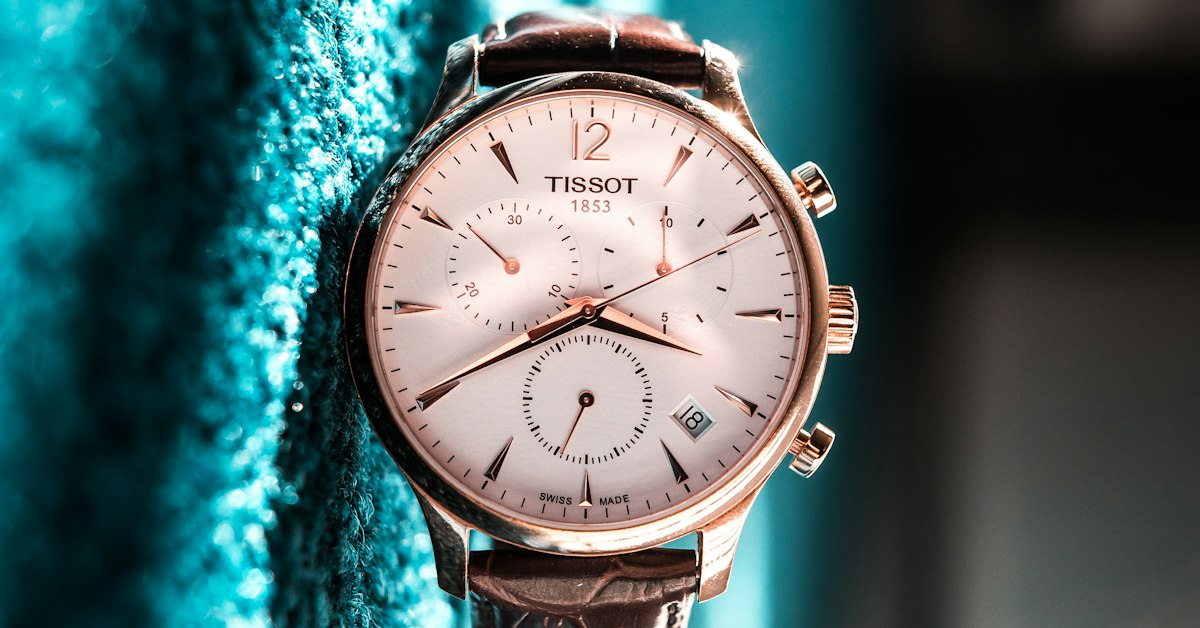
Tissot was founded in 1853 in Le Locle, Switzerland. Today it's one of the best-selling Swiss watch brands in the world, with a huge range covering everything from quartz dress watches to the hugely popular PRX and serious dive watches. You'll find Tissot in jewellers, department stores and airports almost everywhere.
Certina: the quiet engineer
Certina was founded in 1888 in Grenchen, Switzerland. It's far less famous than Tissot, but it has a loyal following among watch enthusiasts, largely because of one big idea: the DS Concept, short for "Double Security."
Introduced in the late 1950s, the DS Concept is a system for making watches extra tough, with a reinforced case, a shock-protected movement mounting and extra seals. It's been Certina's calling card for decades, and it's why the brand has such a strong reputation for rugged sports and dive watches.
As Swatch Group siblings, Tissot and Certina share much of the same technology and production know-how. The difference is in how each brand uses it.
Movements: A Dead Heat
This is the simplest part of the comparison: both brands use the Powermatic 80 as their main automatic movement.
That means you get the same key benefits whichever brand you choose:
- An 80-hour power reserve, so the watch keeps running for more than three days off the wrist
- A 21,600 vibrations-per-hour beat
- An anti-magnetic Nivachron hairspring on many models, which helps protect against magnets in everyday devices
Teddy Baldassarre's Certina review notes that the DS PH200M's Powermatic 80 uses the magnetic-resistant Nivachron hairspring, the same technology found across much of Tissot's range.
Both brands also offer quartz models for buyers who want something low-maintenance. Our guide to Tissot movements: ETA vs Swissmatic vs Powermatic 80 explains the options in plain English.
Verdict: a tie. If you're choosing between these brands, don't choose based on the movement.

Build and Toughness: Certina's Big Advantage
This is where Certina really earns its place.
Thanks to the DS Concept, many Certina sports watches are built with extra protection against shocks and water. Its dive watches, in particular, offer serious specs for the price. According to DiveWatch.com's Certina guide, the DS Action Diver pairs a 43mm steel case with 300 metres of water resistance, a ceramic bezel insert, the Powermatic 80 and the DS double-gasket case construction.
Tissot makes tough watches too, of course. Its Seastar dive watches are excellent, and our Seastar 1000 review explains why it's one of the best-value divers around. But Certina builds its whole identity around toughness, while Tissot spreads its focus across many styles.
Verdict: Certina wins on toughness and dive-watch credibility.
Design and Range: Tissot's Big Advantage
If you want choice, Tissot is in a different league.
Tissot's catalogue covers almost every taste:
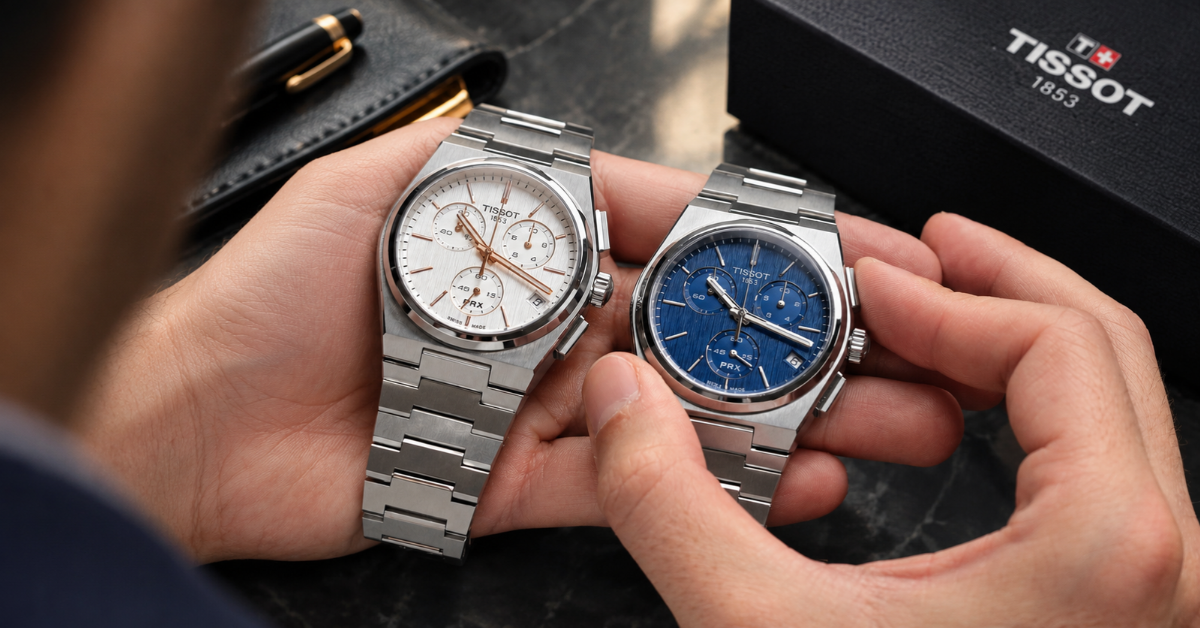
- Sports and lifestyle: the PRX, with its cult-favourite integrated bracelet
- Everyday all-rounders: the Gentleman and PR 100
- Dress watches: the Le Locle, Chemin des Tourelles and Carson
- Divers: the Seastar 1000 and Seastar 2000
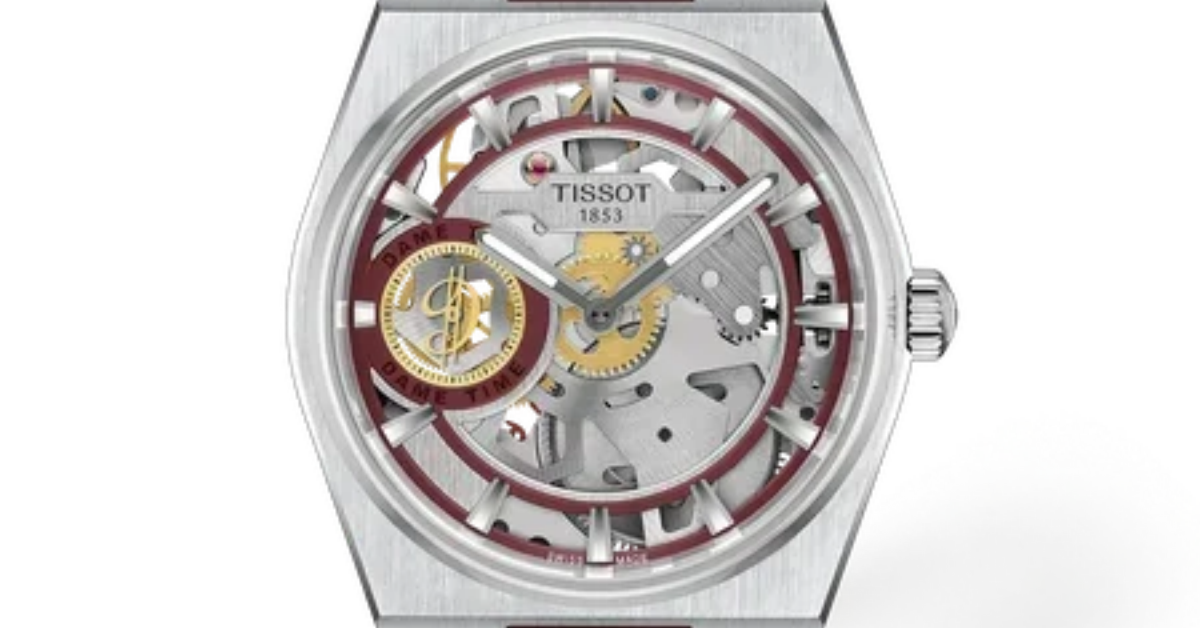
- Special editions and complications: chronographs, skeleton watches and celebrity collaborations
Certina's range is smaller and more focused, built mainly around its DS sports and dive watches like the DS Action and DS PH200M, plus a handful of dress models. Its designs tend to be clean, purposeful and slightly understated.
If you love the PRX's retro integrated look, Certina doesn't really have a direct answer. Our comparison of PRX titanium vs steel shows how much variety Tissot offers within just one collection.
Verdict: Tissot wins on range, variety and design appeal.

Head to Head: The Matchups That Matter
Certina DS Action Diver vs Tissot Seastar
This is the most important comparison for many buyers. The Certina DS Action Diver costs around $800 at retail and offers 300 metres of water resistance, a ceramic bezel and the DS case construction. It's often available for less through retailers and sales.
Tissot's Seastar 1000 Powermatic 80 offers the same 300 metres and the same movement at a slightly lower price. The Seastar 2000 goes further with a helium escape valve and greater depth rating — see our Seastar 2000 vs 1000 comparison.
Verdict: very close. Choose Certina for the DS toughness and a slightly more purposeful tool-watch feel. Choose the Seastar 1000 for the lower price.
Certina DS PH200M vs Tissot
The DS PH200M is a reissue of Certina's 1967 dive watch, with vintage styling and modern internals. Teddy Baldassarre lists it at $970 to $995, with a 42.8mm case, 200 metres of water resistance and the Powermatic 80.
Tissot doesn't have a direct vintage-diver equivalent, which makes the PH200M one of Certina's most distinctive watches.
Verdict: Certina wins if you want a vintage-style diver.
Certina DS Action GMT vs Tissot
Certina also offers a travel-friendly DS Action GMT at about $995, with 200 metres of water resistance and the Powermatic 80. A genuine Swiss automatic GMT at this price is a strong argument for Certina.
Verdict: Certina wins for affordable Swiss GMT travellers.
Certina DS-1 vs Tissot Gentleman
For an everyday all-rounder, the Certina DS-1 and Tissot Gentleman both use the Powermatic 80 in a clean, versatile design. The Gentleman is more widely available and has a stronger following, earning its "baby Rolex" nickname. Our Gentleman Powermatic 80 review explains why it's such a popular daily watch.
Verdict: close, but Tissot's Gentleman edges it on design and availability.

Price and Value
On paper, the two brands are priced very similarly. Both offer Powermatic 80 automatics starting well under $1,000. In practice, Certina often represents slightly better value on spec, especially in dive watches, while Tissot offers the cheapest entry points and the widest spread of prices.
A comparison by Authentic Wrist sums it up well: for budget buyers seeking Powermatic 80 movements, Certina can be the slightly better deal, but the price gap is small enough that design should usually decide.
Tissot also tends to be easier to find on sale, simply because it's sold in so many more places.
Resale and Availability
Let's be honest: neither brand is an investment. Both typically sell below retail on the pre-owned market. Our analysis of whether a Tissot is a good investment explains why most models depreciate.
Certina's lower brand recognition means it can lose value a little faster, but that also makes pre-owned Certina watches a bargain. A pre-owned DS Action Diver 43mm, for example, has sold for around $650.
On availability, Tissot wins clearly. You can try one on in countless stores. Certina has a smaller retail network, so you may need to buy online or visit a specialist.
Servicing
Because both brands use the same Swatch Group movements, servicing is straightforward for either. Parts are widely available, and many independent watchmakers can service a Powermatic 80. Here's how much a Tissot service costs, which gives you a good guide for Certina too.

Tissot or Certina: Which Should You Buy?
Buy Certina if:
- You want a tough, purpose-built dive or sports watch
- You like the idea of the DS "Double Security" construction
- You want an affordable Swiss GMT or a vintage-style diver
- You prefer something less common than a Tissot
Buy Tissot if:
- You want the widest choice of styles, sizes and prices
- You love the PRX or want a dress watch
- You prefer to try watches on in person before buying
- You want the cheapest possible entry into a Swiss watch
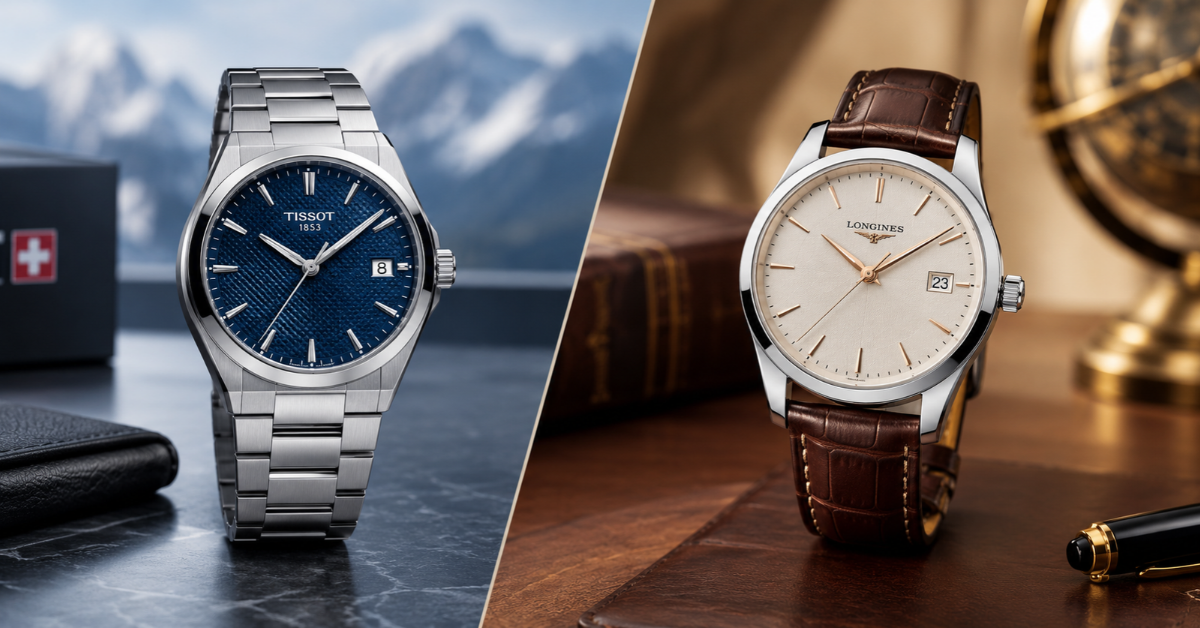
Comparing other Swatch Group siblings too? See our Tissot vs Hamilton and Tissot vs Longines comparisons.
The Verdict
So which Swiss brand gives more? It depends on what you want "more" of.
Certina gives more toughness. Its DS Concept, dive-watch heritage and well-specced sports watches make it one of the most underrated brands in Swiss watchmaking.
Tissot gives more choice. Its huge range, iconic designs like the PRX and easy availability make it the better pick for most first-time Swiss watch buyers.
The good news is that you can't really go wrong. With the same Powermatic 80 movement at the heart of both, you're getting a genuine Swiss automatic that will last for decades. Choose the brand whose watches you love looking at — that's the one you'll actually wear.
FAQ
Is Certina better than Tissot?
Not overall, but it's better in some areas. Certina is stronger on toughness and dive watches thanks to its DS Concept. Tissot is stronger on design variety, range and availability. Both use the same Powermatic 80 movement.
Are Tissot and Certina owned by the same company?
Yes. Both brands are part of the Swatch Group, which also owns Hamilton, Longines and Omega.
Do Certina and Tissot use the same movement?
Their main automatic models both use the Powermatic 80, with an 80-hour power reserve. Many models in both brands also use the anti-magnetic Nivachron hairspring.
What does DS mean on a Certina watch?
DS stands for "Double Security," Certina's system of reinforced case construction, shock protection and extra seals designed to make its watches more durable.
Which is cheaper, Tissot or Certina?
They're priced similarly. Tissot offers more low-cost entry models, while Certina often gives slightly more specification for the money in its automatic sports and dive watches.
Is Certina a good watch brand?
Yes. Certina is a respected Swiss brand founded in 1888, known for tough, well-built sports and dive watches. It's less famous than Tissot but highly regarded by watch enthusiasts.
Senior Writer
James Whitfield
Senior watch writer with a decade covering Swiss horology, vintage markets and modern releases.