On this page
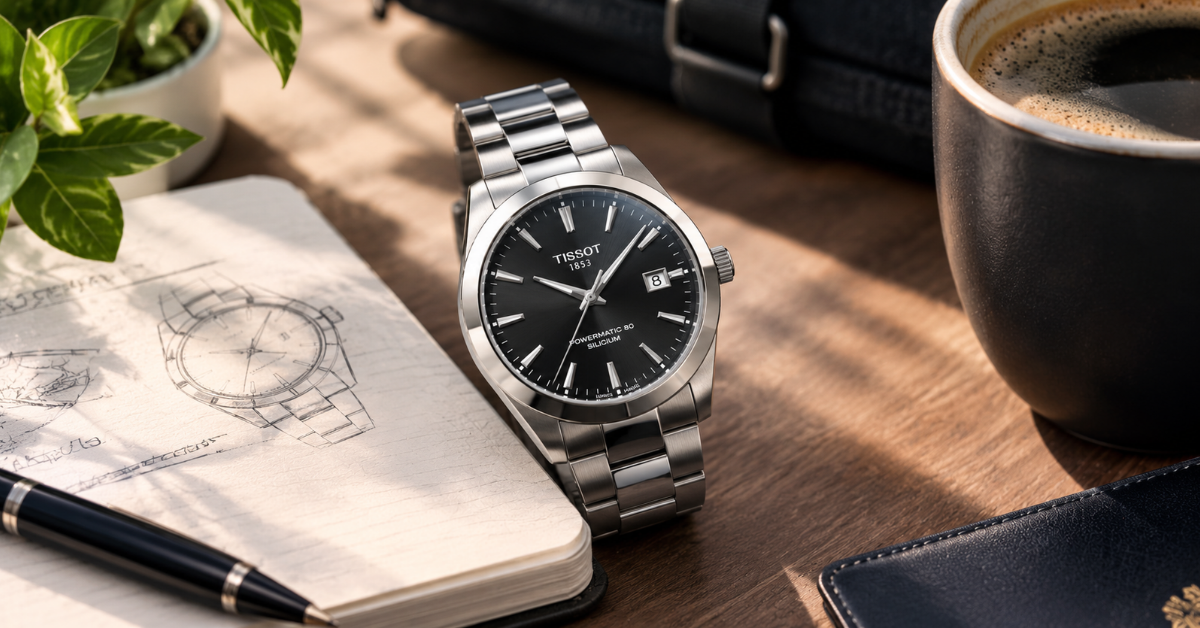
Picture the shortlist of someone buying their first mechanical watch. They want something Swiss. They don't want to spend a Rolex-sized sum on a hobby they've just discovered. They want it to look good, work without drama, and be fixable in five years. A surprising number of those shortlists end with the same name.
This article looks at why, using what reviewers, retailers and Tissot's own documentation say, and at who it genuinely suits.
Why Tissot Keeps Showing Up
A caveat first. No survey tells us how many first-time automatic buyers choose Tissot, so "so many people" rests on softer evidence. Financial coverage of the Swatch Group calls Tissot the leader in midrange Swiss watches and one of the group's biggest brands. And buying guides, written mostly by retailers with something to sell, keep naming the same Tissot models as the best starting points. Treat that as a pattern, not a statistic.
With that said, the reasons are consistent.
1. The Price Is a Sweet Spot
Tissot's Powermatic 80 watches sit in a range where a first-time buyer can feel comfortable: serious enough to be a real Swiss automatic, modest enough that the purchase isn't stressful. Our price guide puts the main automatics roughly here:
- Le Locle: about $550 to $750
- Seastar 1000: about $600 to $800
- PRX Powermatic 80: about $650 to $750
- Gentleman Powermatic 80: about $775 to $850
That's real money, though it's far from luxury money. If your budget is tighter, our guide to the best Tissot watches under $500 covers quartz options, and the under $1,000 guide covers the automatics.
2. The Movement Solves a Real Beginner Problem
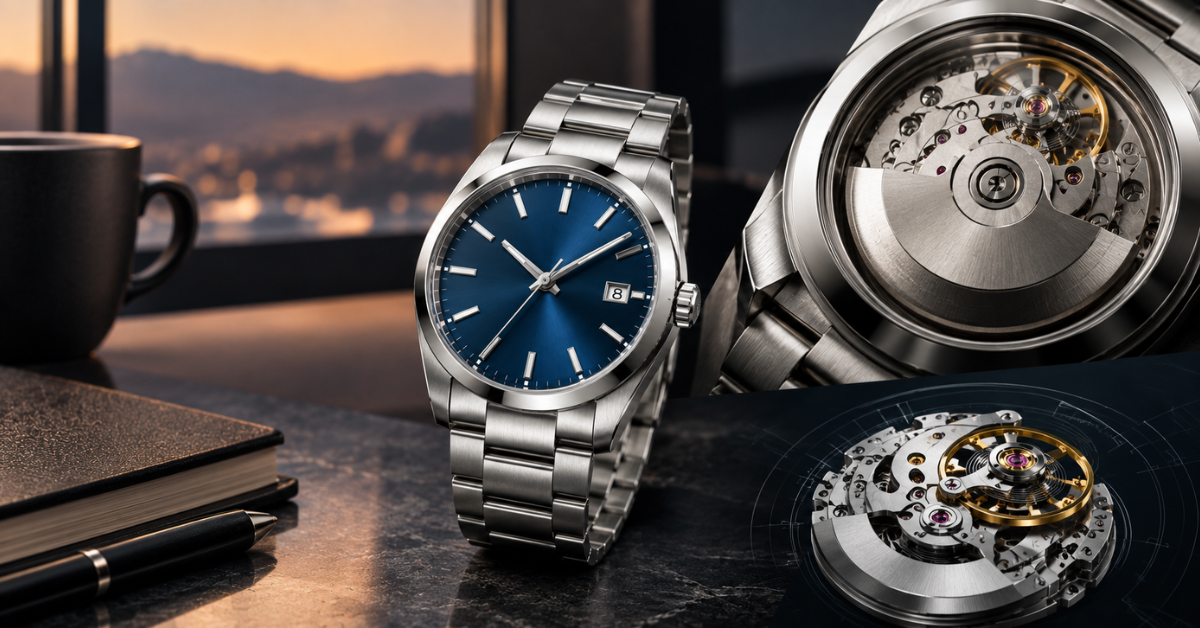
Anyone who has owned a basic automatic knows the weekend problem: put it down Friday, and by Monday it has stopped. Tissot's Powermatic 80 was built to fix that with an 80-hour power reserve, more than double the roughly 38 hours of a standard automatic. One reviewer called it one of the best values in a Swiss automatic movement under $1,000. Our Powermatic 80 explainer covers how it works, including the trade-off of a slightly less smooth second hand.
For a first automatic, that matters. Beginners shouldn't need to babysit their watch to enjoy it.
3. It's a Serviceable Movement, Not a Disposable One
A first automatic is partly an experiment in whether you like owning something mechanical. If you do, you'll want to keep it running for years. Powermatic 80 can be serviced by a watchmaker indefinitely, unlike Tissot's cheaper Swissmatic platform, which is a sealed module. Our Movements Explained guide covers the difference. Tissot also guarantees spare parts for at least 10 years after a model is discontinued, and one buying guide singles out the brand's service accessibility as a key strength.
4. You Can Actually Buy One
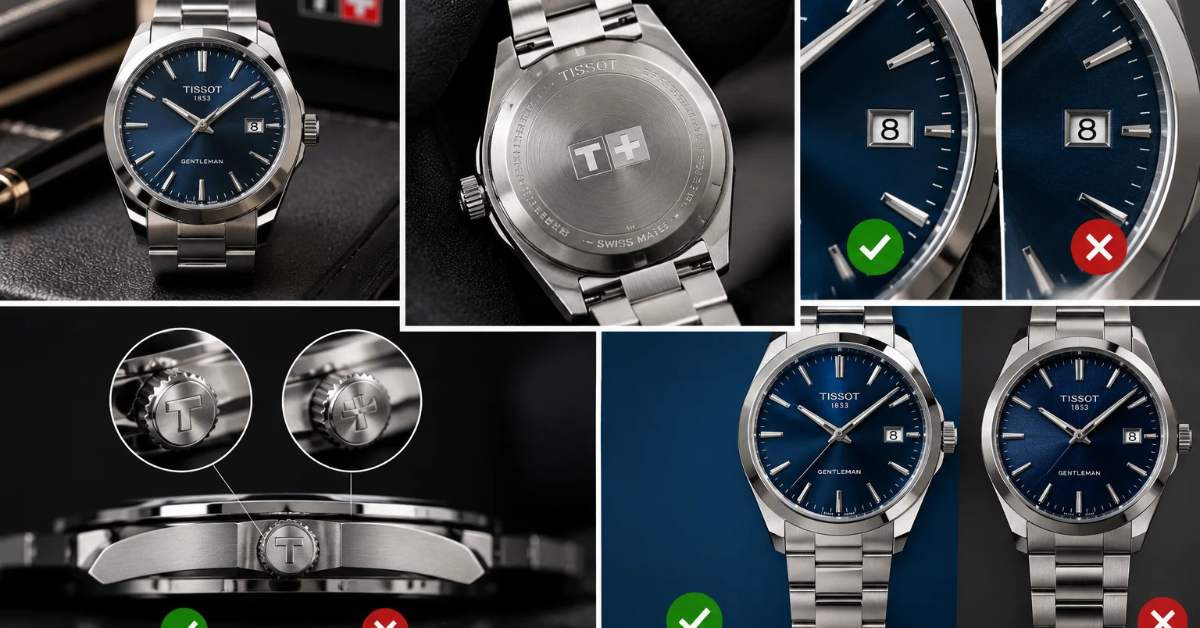
Some watches come with waitlists, deposits and relationships with dealers. Tissot has none of that. You can walk into an authorized retailer or order online, and Tissot backs each watch with a two-year international warranty (three for COSC-certified models). The Watch-Secure code on the caseback also lets you register and verify a watch, as our guide to verifying a Tissot before buying from a private seller explains.
5. There's a Tissot for Most Tastes
First-time buyers don't know what they like yet, and Tissot's lineup gives them room to find out. The usual starting points:
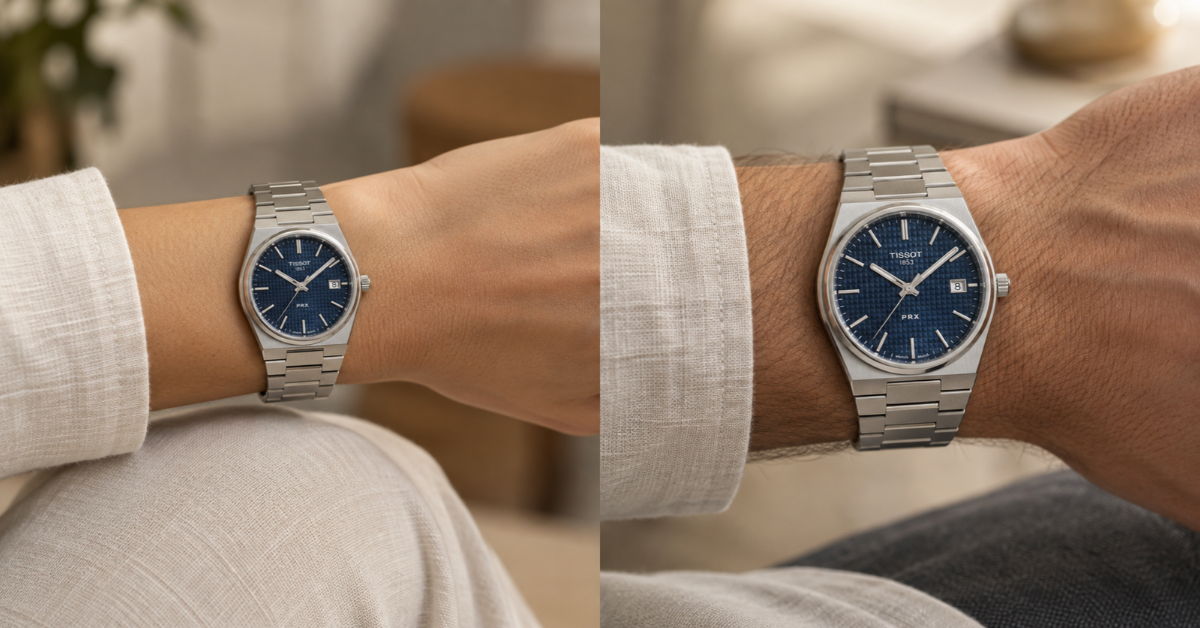
- PRX Powermatic 80: the design-forward pick, with a 1970s-inspired integrated bracelet. One reviewer called it a perfect first mechanical watch. Our PRX vs Powermatic 80 comparison covers the choice between quartz and automatic.
- Gentleman Powermatic 80 Silicium: the versatile all-rounder, slim enough for a shirt cuff. See our Gentleman review.
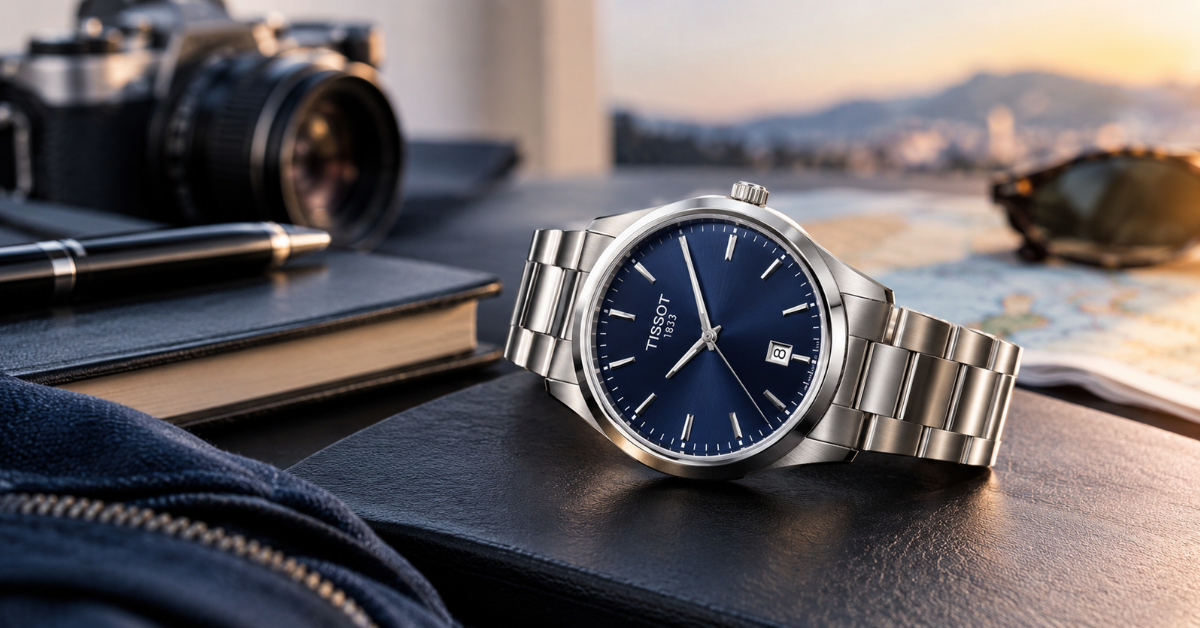
- Le Locle Powermatic 80: the dress watch, named after Tissot's hometown. Our piece on Tissot's Le Locle heritage tells that story.
- Seastar 1000: the diver, with 300 meters of water resistance. Our Seastar 1000 review covers its strengths and trade-offs.
What Tissot Isn't
A useful recommendation includes the downsides.
- It isn't the cheapest entry. A Seiko 5 costs $200 to $350 and is a proven, serviceable automatic. We compare the two in our PRX Powermatic 80 vs Seiko 5 piece. If your budget is firm, Seiko is a reasonable choice.
- It won't hold its value. Most Tissots lose a lot of their retail price on resale, as we explain in whether a Tissot is a good investment. Buy it to wear.
- It isn't a luxury watch. It sits in the Swatch Group's middle tier.
- The sweep is a little less smooth. That's the price of the long reserve.
Getting Started With Your First Automatic
A few habits make ownership easy:
- Wear it. An automatic winds itself from wrist motion. If it's been off the wrist for days, give the crown a few turns to start it.
- Expect a little drift. Mechanical watches aren't quartz. A few seconds a day is ordinary.
- Plan for servicing. Tissot recommends a service every 3 to 5 years. Our maintenance guide covers what that involves and how to care for the watch between visits.
- Avoid the common mistakes. Our list of four mistakes first-time Tissot buyers make is worth reading before you order.
FAQ
Is Tissot a good first automatic watch? Yes, for many buyers. It offers Swiss manufacture, sapphire crystal and a long 80-hour power reserve at roughly $550 to $850, with wide retail availability and service support.
Which Tissot should I buy as my first automatic? The PRX Powermatic 80 suits design-focused buyers, the Gentleman suits everyday wear, and the Le Locle suits dress. The Seastar 1000 is the pick if you want a diver.
Is Powermatic 80 a good movement? Yes. It's a serviceable ETA-derived automatic with an 80-hour reserve. The trade-off is a slightly less smooth sweep.
Is a Seiko 5 a better first automatic? It's cheaper, at $200 to $350, and a proven choice. Tissot costs more and adds sapphire crystal, a longer reserve and Swiss manufacture.
Will my Tissot keep its value? Probably not. Most models lose a large share of their retail price, so buy it to enjoy wearing it.
How often does an automatic Tissot need servicing? Tissot recommends a complete service every 3 to 5 years.
Conclusion
Tissot doesn't win as a first automatic by being the cheapest or the most prestigious. It wins by being easy: a fair price, a movement that fixes a real beginner complaint, a watch you can actually buy, and a brand that'll still be around to fix it. If you're taking your first step into mechanical watches, that's a very good reason to start here.
Senior Writer
James Whitfield
Senior watch writer with a decade covering Swiss horology, vintage markets and modern releases.